Women and youth remain underrepresented in governance due to political violence, patriarchal systems, and limited political literacy. Even with legal frameworks supporting inclusion, barriers such as intimidation, exclusion, and misrepresentation persist. This weakens accountability and limits responsive governance, making political participation both a rights issue and a systems challenge.
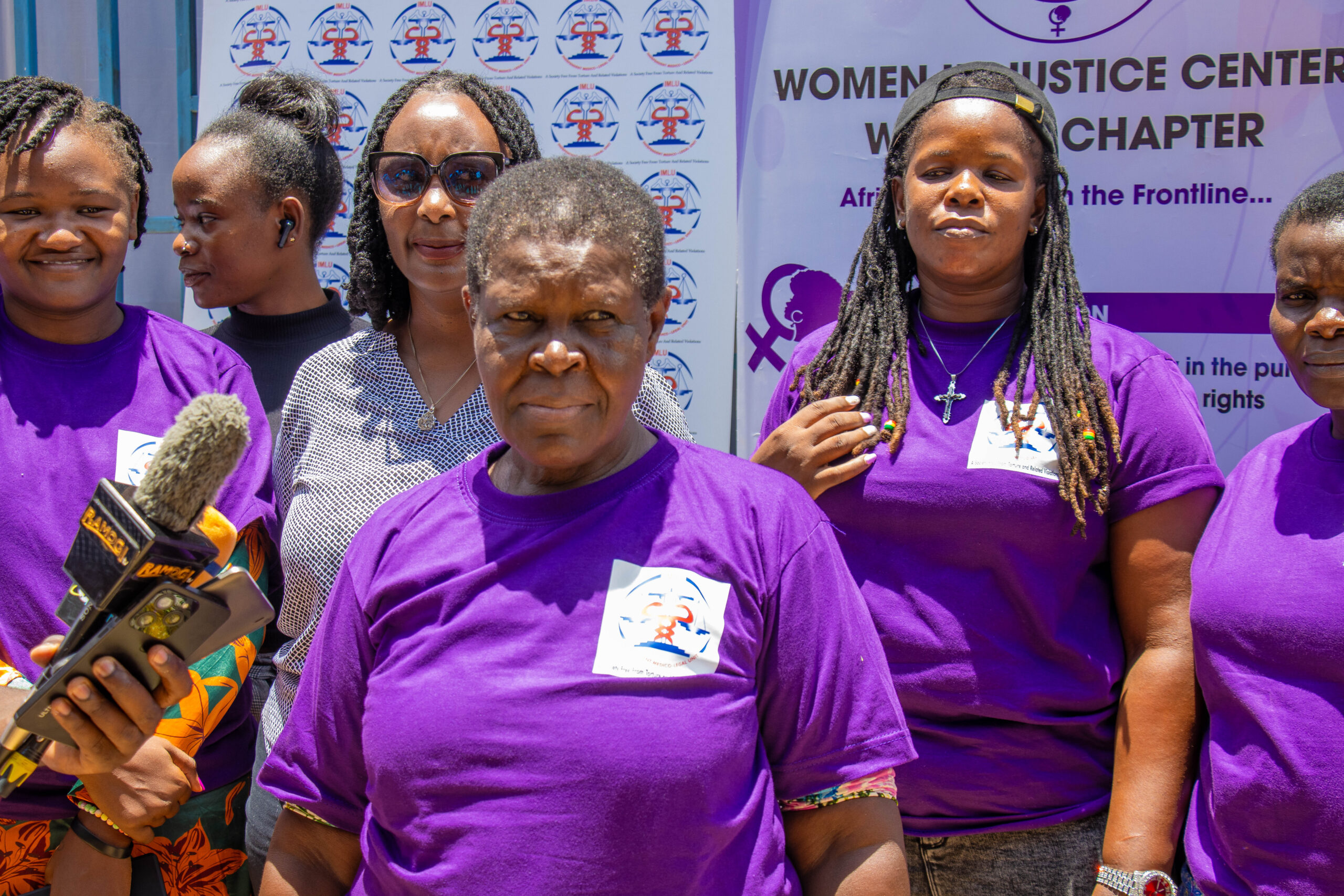
WIJC strengthens political literacy, leadership development, and feminist civic engagement. The committee supports women and youth to understand governance systems, build leadership capacity, and engage safely in political and accountability spaces. WIJC also promotes gender-responsive governance through mentorship, advocacy, and engagement with duty bearers and accountability platforms.
- Women and Youth: Including first-time voters, aspiring leaders, and those already engaging in political or civic processes, especially in rural and marginalized areas.
- Women in Politics: Active women leaders, elected officials, and candidates navigating governance spaces, including those facing gender-based barriers or harassment.
- Women Human Rights Defenders (WHRDs): Community advocates who mentor others, promote civic engagement, and amplify women’s voices in political and decision-making spaces.
- Grassroots Communities: Local populations with limited access to political information or participation platforms, including marginalized and underserved groups.
- Community Leaders and Influencers: Individuals who mobilize, educate, and advocate for inclusive political participation within their constituencies.
- Civil Society and Governance Networks: Partner organizations, committees, and civic actors collaborating to promote gender-responsive governance and social accountability.