
Our approach is rooted in community-led action, where people are at the center of driving change in their own lives. We combine grassroots organizing with digital advocacy and legal empowerment to ensure that communities are informed, connected, and equipped to demand their rights. Through building local networks, amplifying voices online, and providing practical legal support, we create sustainable pathways for justice, accountability, and inclusive development. Check below for more details about our approach.
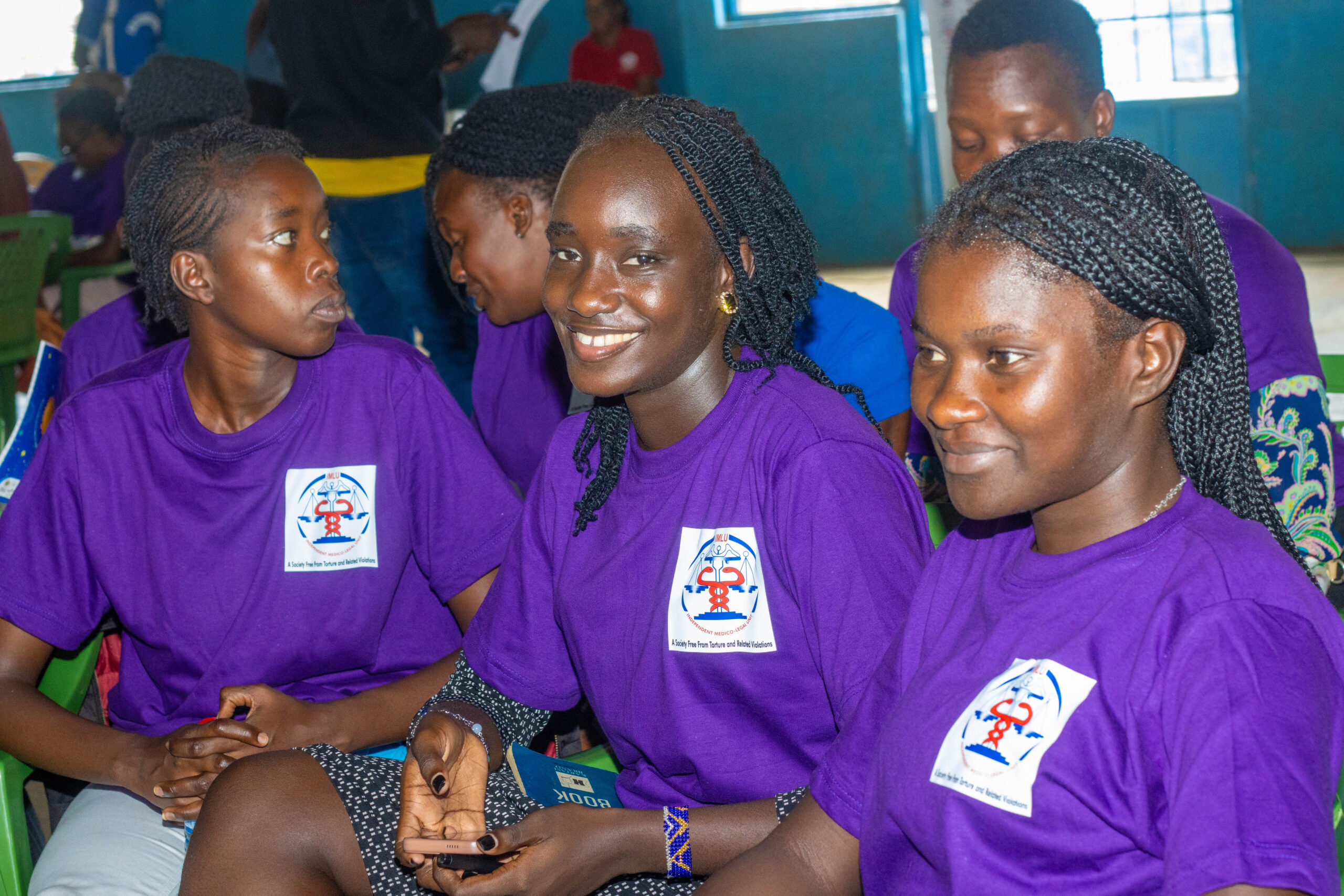
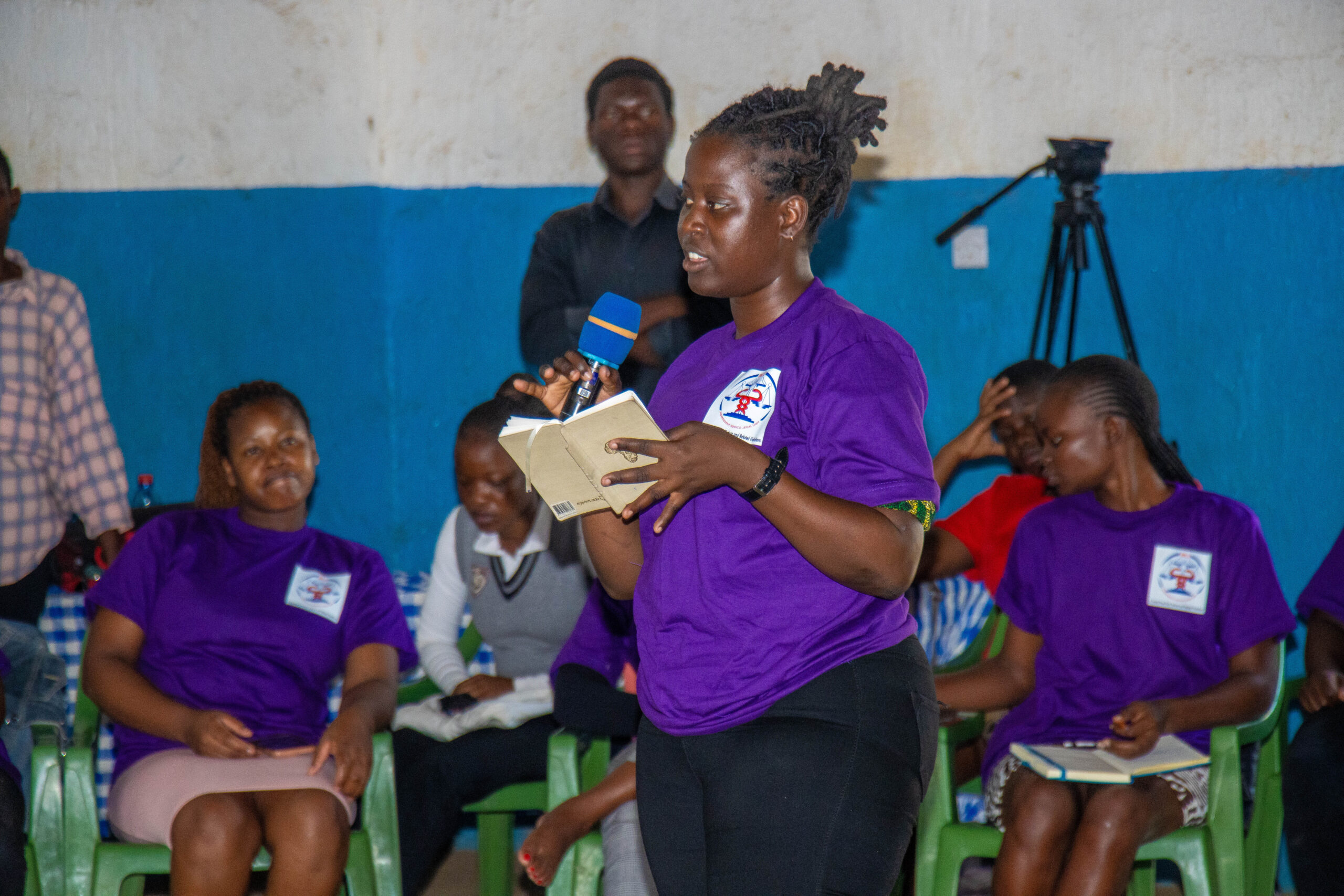
WIJC advances gender justice through coordinated, multi-level advocacy that connects grassroots experiences to policy influence, institutional accountability, and broader social change. The committee uses diverse, complementary advocacy approaches to ensure that issues affecting women and marginalized communities are not only visible but also addressed.
- Community-Based Advocacy: WIJC strengthens grassroots organizing by supporting justice centers and WHRDs to mobilize communities, raise awareness, and drive locally led action. This ensures that advocacy is rooted in lived experiences and community realities.
- Policy and Institutional Advocacy: WIJC engages duty bearers through structured platforms such as county technical working groups, court users' committees, and public participation processes. Through these spaces, the committee influences policies, resource allocation, and service delivery to be more gender-responsive and accountable.
- Evidence-Based Advocacy: WIJC supports documentation, knowledge sharing, and cross-county learning to generate evidence that informs advocacy priorities and strengthens engagement with policymakers and stakeholders.
- Digital Advocacy: WIJC leverages digital platforms to amplify community voices, document emerging issues, and connect local struggles to national and global conversations, increasing visibility and advocacy reach.
- Creative and Arts-Based Advocacy: WIJC integrates storytelling, theater, visual art, and other creative methods to challenge harmful norms, raise awareness, and create spaces for dialogue, healing, and collective reflection.
- Advocacy Through Systems Strengthening: WIJC strengthens coordination among Justice Centers, paralegals, and partners by improving referral pathways, documentation processes, and knowledge exchange. This ensures that advocacy is backed by functional systems that support access to justice.
- Strategic Engagement with Duty Bearers: WIJC facilitates sustained engagement with government institutions, policymakers, and accountability structures to ensure that grassroots evidence informs decision-making and drives institutional responsiveness.

WIJC’s work is grounded in feminist principles that seek to transform unequal power relations and advance justice, equity, and dignity for all.
The committee applies an intersectional lens, recognizing that women’s experiences are shaped by overlapping factors such as gender, class, age, geography, and social status, and ensures that advocacy strategies are inclusive and responsive to these diverse realities.
The application of the feminist curriculum developed within the Social Justice Movement serves as a tool for political education, consciousness building, and leadership development. WIJC supports Women Human Rights Defenders to deepen their understanding of power, governance, gender justice, and systems of oppression, while strengthening their capacity to engage in advocacy, influence policy spaces, and lead community-driven change.
The curriculum also creates a shared ideological grounding across counties, enabling coordinated advocacy, critical analysis of social issues, and the development of informed, strategic, and feminist-led interventions within the movement.
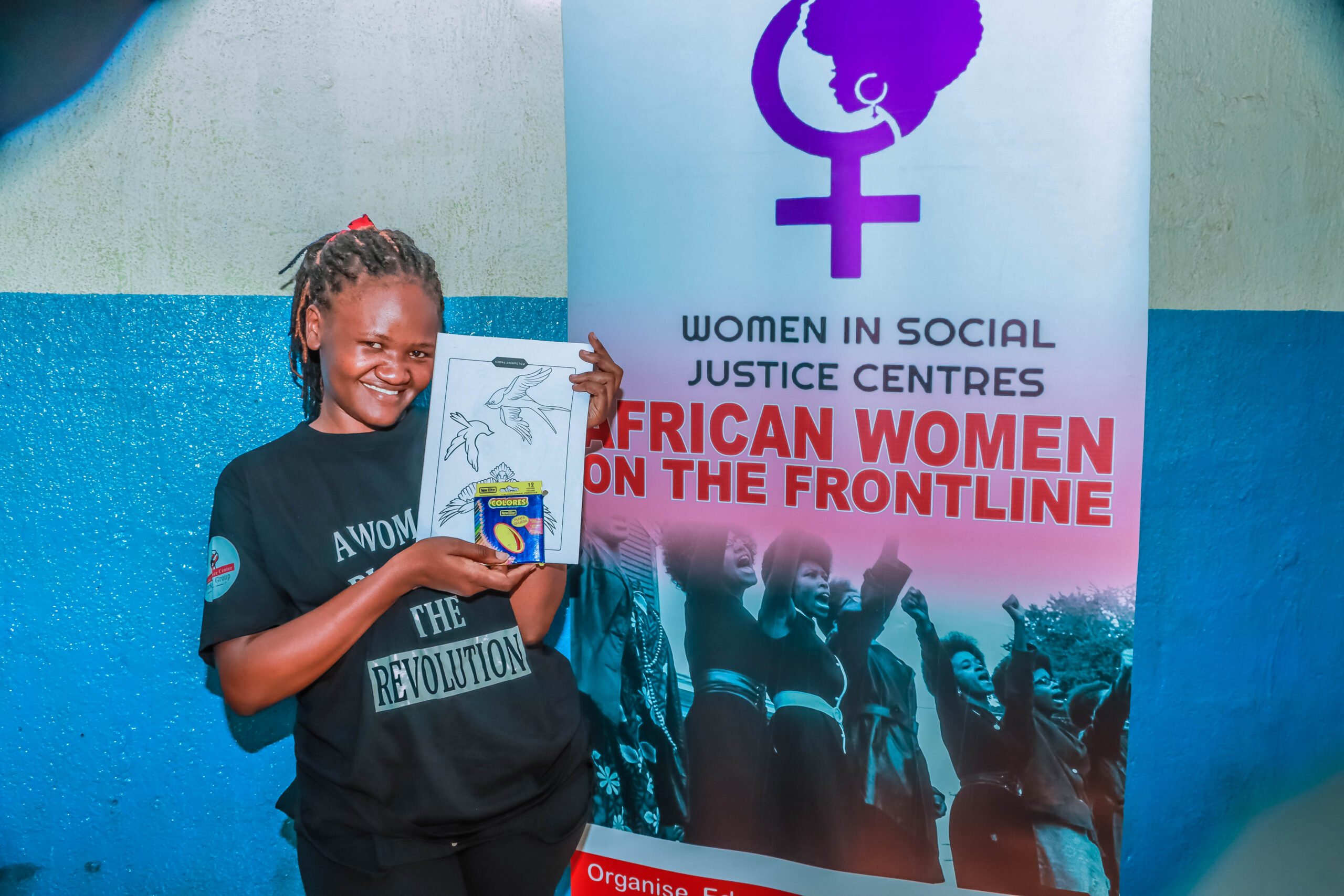
WIJC recognizes that sustainable advocacy requires safe, supported, and resilient defenders. The committee prioritizes the wellbeing and protection of Women Human Rights Defenders by promoting psychosocial support, peer care, and safe spaces within the movement.
WIJC also partners with civil society organizations and protection networks to strengthen the safety, security, and resilience of WHRDs. This includes facilitating access to protection mechanisms, providing support during emergencies, and enabling rapid response interventions in situations of risk, threats, or violations.
Through this approach, WIJC ensures that defenders are not only equipped to lead advocacy efforts but are also protected and supported to sustain their work effectively.