Gender injustice in the Lake Region is deeply structural, shaping how women and girls experience power, safety, participation, and opportunity. It is reflected in gender-based violence, political exclusion, economic inequality, and limited access to justice and public services. Patriarchal norms, weak accountability systems, and unequal power relations reinforce these inequalities. These experiences are not uniform. Women and girls experience injustice differently depending on age, geography, disability, and economic status, making gender justice inherently intersectional. Addressing this requires more than response systems; it demands feminist transformation of structures, norms, and institutions.

WIJC functions as a feminist coordination and advocacy platform that strengthens collective action across Justice Centers, WHRDs, and partners. The committee does not duplicate service delivery but strengthens systems of prevention, response, referral, and accountability.
Through feminist approaches, WIJC amplifies grassroots realities, strengthens survivor-centered pathways, supports collective advocacy, and ensures lived experiences of women and girls inform governance and justice systems. The committee also strengthens feminist political education through curriculum development and shared learning spaces.
- Women
- Teenagers and adolescents
- Young mothers
- Children
- Youth
- Women Human Rights Defenders (WHRDs)
- Policymakers (County and National level)
- Government institutions and agencies
- Justice sector actors (e.g., courts, police, legal actors)
- County Gender Technical Working Groups
- Court Users Committees Civil society and partner organizations
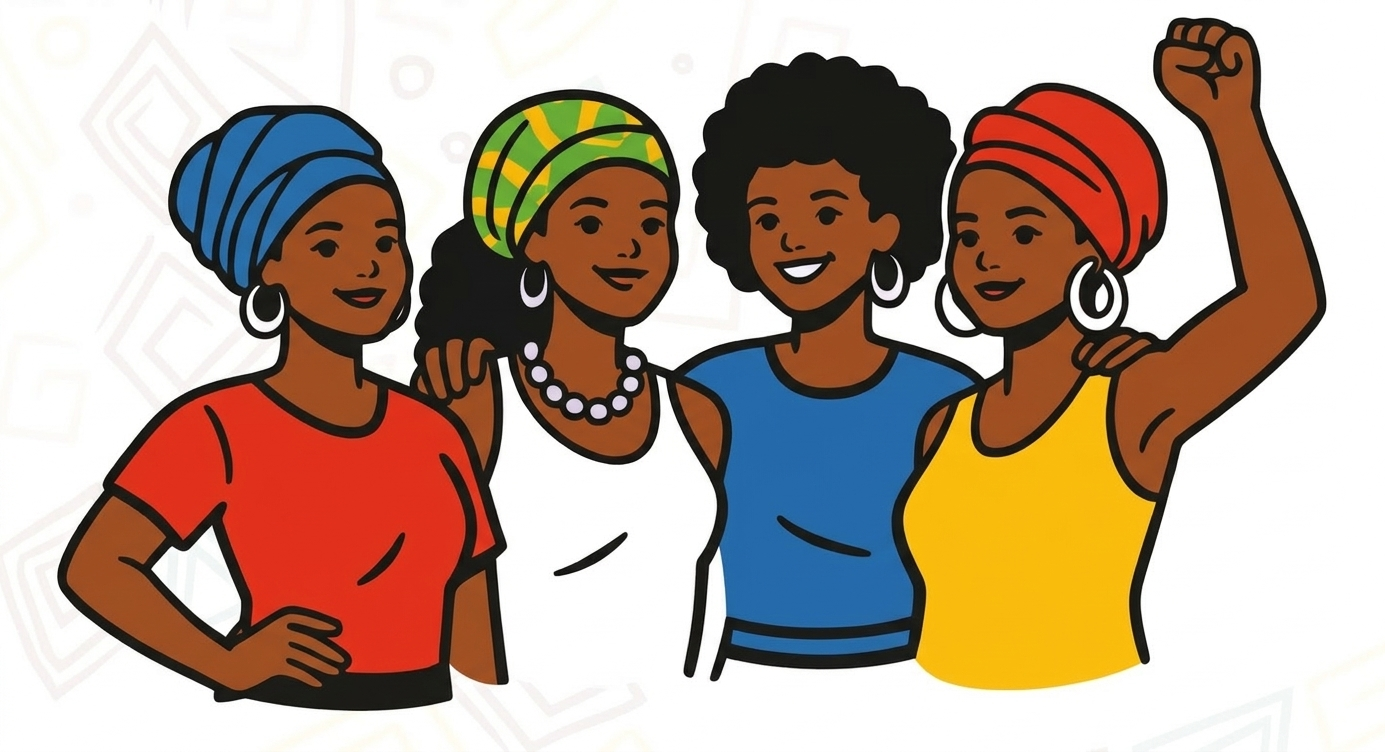
- WIJC has built a coordinated network of WHRDs across Justice Centers in the Lake Region, transforming fragmented responses into a unified system of solidarity and action. This has enabled women defenders across counties to share intelligence, coordinate responses, and collectively respond to gender injustices in real time.
- Through community dialogues and civic education forums, WIJC has supported shifts in awareness where communities previously normalizing violence are now actively engaging reporting systems and demanding accountability. These spaces have transformed GBV from a private issue into a public justice concern.
- WIJC has strengthened referral systems linking Justice Centers with legal, health, and psychosocial support services, improving continuity of care for survivors and strengthening trust in justice pathways.
- WIJC under their justice centers now actively participate in County Gender Technical Working Groups and Court Users Committees, ensuring grassroots realities shape institutional decision-making.
- WIJC also contributed to the development of Volume One of the Feminist Curriculum with the Social Justice Movement Research Committee, strengthening feminist political education and creating shared learning tools that guide movement strategy, analysis, and advocacy across Justice Centers.