
MOVEMENT BUILDING, PARTNERSHIPS & JUSTICE ECOSYSTEMS
What WIJC does under this focus area
Justice challenges are interconnected and cross-county, requiring coordinated responses rather than isolated interventions. Without collaboration, efforts risk duplication and limited impact. Partnerships, therefore, serve as a strategic tool for building stronger feminist justice ecosystems, amplifying advocacy, and ensuring sustainability.
WIJC strengthens feminist movement infrastructure by coordinating WHRDs, Justice Centers, and partners across counties. The committee promotes cross-county solidarity, joint advocacy, feminist political education, and resource mobilization.
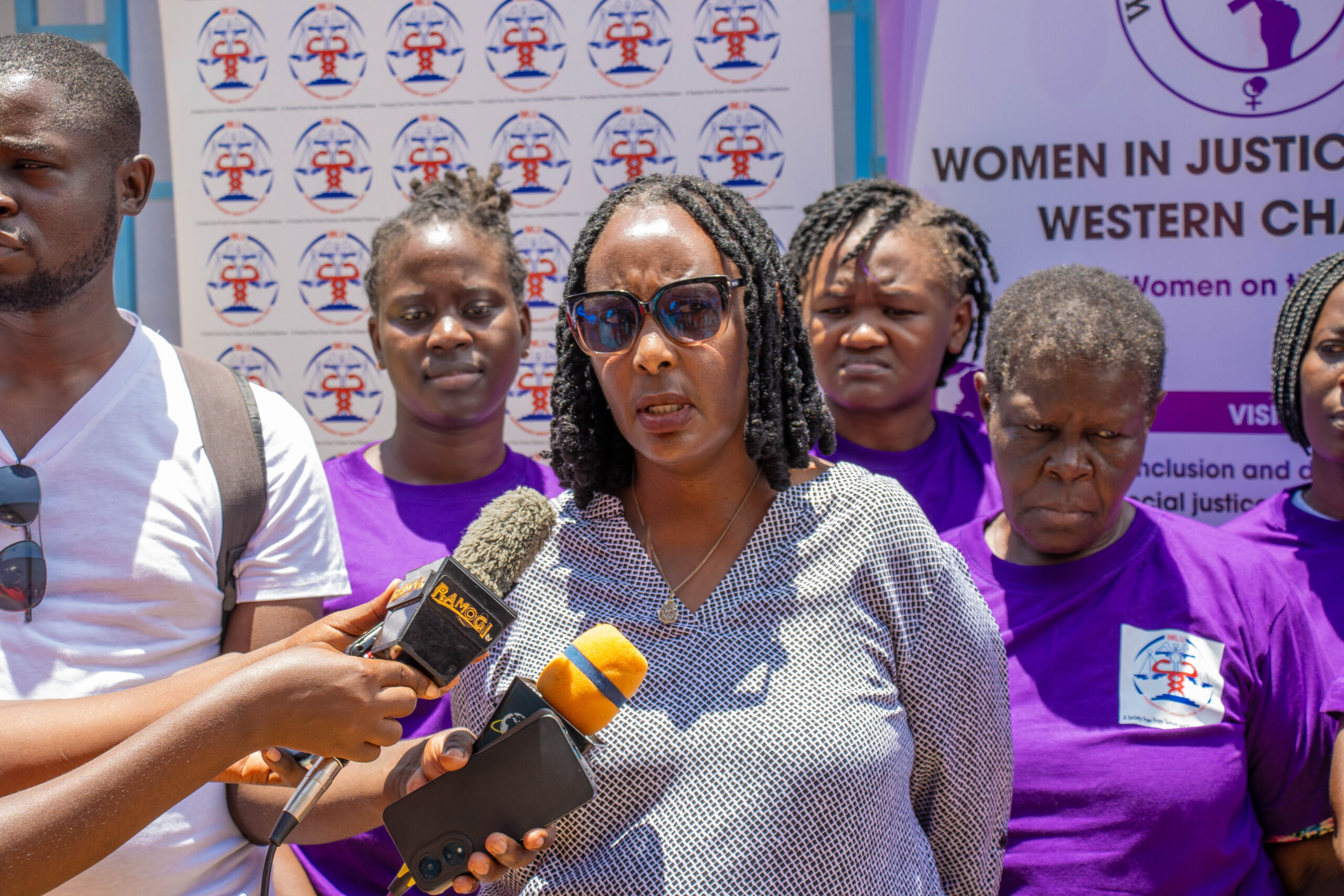
Key Achievement & Milestones
- WIJC established partnerships with organizations such as CSO Network, Article 43 Committee, OSIEPE Sango, Thomas Sankara Political School, Frontline Defenders, KEFEADO, WHRDs Hub, Defenders Coalition, Social Justice Centers, GBV Committee, and Women Volunteer for Peace (WOVOP); and local NGOs to jointly implement campaigns on food sovereignty, land rights, climate action, and political literacy. This coordination allowed for shared resources, reduced duplication of efforts, and broader community reach, ensuring that interventions were efficient, context-specific, and impactful across multiple counties. By leveraging partner expertise, WIJC amplified advocacy initiatives while embedding campaigns within systemic, cross-county frameworks.
- WIJC collaborated with sister committees in Kajiado, BTS, Nairobi, and Coast to implement the food sovereignty campaign, creating platforms for cross-regional learning and sharing of best practices. These collaborations enabled WHRDs in different counties to learn from seasoned activists, adapt advocacy strategies to local contexts, and collectively develop innovative approaches to community mobilization.
- Experienced WHRDs mentored emerging defenders on advocacy strategy, community engagement, and campaign implementation, while joint trainings with partner organizations strengthened leadership and technical skills. This process not only enhanced WHRD capacity but also built a pipeline of skilled defenders capable of sustaining and scaling interventions within their communities.
- WIJC facilitated connections between WHRDs and local organizations in their areas, creating sustainable support networks and collaborative opportunities. These linkages ensured WHRDs had access to technical support, advocacy platforms, and community resources, enabling them to execute interventions more effectively and safely while maintaining continuous engagement with duty bearers and local governance structures.
- By collaborating with partner organizations, WIJC secured funding, technical support, and logistical resources for advocacy campaigns, trainings, and community interventions. This collective approach enhanced sustainability, increased campaign reach, and enabled communities to benefit from well-resourced, high-impact programs.
- Leveraging partner networks, WIJC implemented multi-county campaigns and forums that engaged grassroots communities in co-designed solutions. This approach amplified community ownership, ensured interventions were contextually relevant, and allowed WHRDs and youth leaders to directly influence program design and implementation, strengthening both local leadership and community resilience.