
CLIMATE JUSTICE/ECOLOGICAL JUSTICE
CLIMATE JUSTICE/ECOLOGICAL JUSTICE
What WIJC does under this focus area
Climate change disproportionately affects women, children, and marginalized communities through floods, droughts, pollution, and environmental degradation. These impacts disrupt livelihoods, food systems, and safety while limiting participation in decision-making. Women human rights defenders face heightened vulnerability as they balance caregiving roles with frontline environmental advocacy.
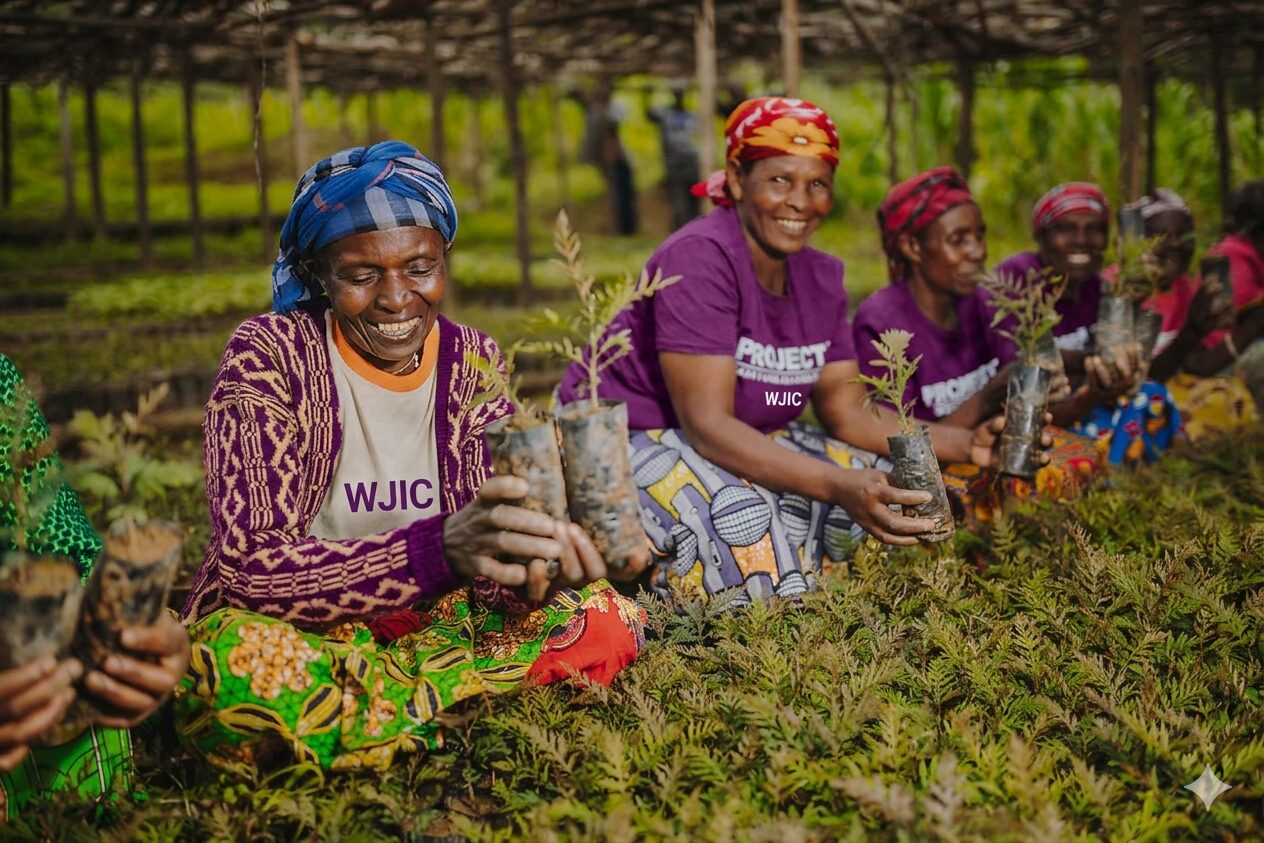
WIJC supports climate resilience, environmental protection, and community-led adaptation strategies while amplifying women’s voices in environmental governance.
Target Groups
- Women and Youth: Including those living in flood-prone, drought-affected, or environmentally vulnerable areas who are directly impacted by climate change.
- Women Human Rights Defenders (WHRDs): Leaders and advocates in communities who implement climate resilience initiatives and amplify environmental justice issues.
- Children and Adolescents: Particularly those affected by climate-related disasters, whose education, nutrition, and safety are impacted by environmental challenges.
- Grassroots Communities: Rural and marginalized populations dependent on natural resources for livelihoods, including smallholder farmers and fisherfolk.
- Local Leaders and Duty Bearers: County officials, governance actors, and community influencers responsible for implementing climate and environmental policies.
- Civil Society Organizations and Environmental Networks: Partner institutions working on renewable energy, ecological protection, and climate advocacy to coordinate campaigns and interventions.

Key Achievements
- Flood Relief and Community Support: Partnered with students and local organizations to provide immediate aid and resources to communities affected by floods in Nyando. This intervention protected vulnerable households, ensured continuity of livelihoods, and strengthened community trust in WHRDs as first responders during environmental crises. Women and children directly benefited from targeted support, enabling them to recover faster and maintain household stability.
- WHRD-Focused Research and Preparedness: Supported WHRD hubs in conducting surveys on flood-prone areas to document how environmental risks uniquely affect women human rights defenders. The data collected informed local preparedness strategies, helped WHRDs anticipate hazards, and guided advocacy for duty bearers to prioritize protective measures, ensuring WHRDs can continue their work safely even during climate disasters.
- Environmental Advocacy and Policy Engagement: Participated in international conversations on the effects of local factories on Lake Victoria and aquatic ecosystems. Through these engagements, WIJC elevated community voices, highlighted environmental injustices affecting livelihoods and food security, and contributed to policy debates on sustainable industrial practices, ensuring local ecological concerns are recognized in global decision-making spaces.
- Cross-County Campaigns: Collaborated with OSIEPE Sango in the Save Lake Victoria Campaign, mobilizing communities across multiple counties to understand, monitor, and act against environmental pollution. This initiative not only raised awareness but also created active community networks for environmental monitoring, empowering women, youth, and WHRDs to take collective action for ecological stewardship.
- Capacity-Building and Awareness: Trained WHRDs and youth leaders on climate resilience, disaster preparedness, and climate-smart practices. These trainings enhanced local leadership, strengthened the ability to implement sustainable initiatives, and enabled WHRDs to educate their communities on adaptive strategies, fostering long-term resilience and self-sufficiency.
- Amplifying Voices Through Advocacy: Implemented digital and social media campaigns that highlighted the lived experiences of women, youth, and children affected by climate change. By sharing stories, data, and local solutions, WIJC influenced public perception, increased community engagement, and pressured policymakers to adopt gender-responsive and inclusive climate policies, ensuring the most vulnerable are heard in environmental decision-making.