
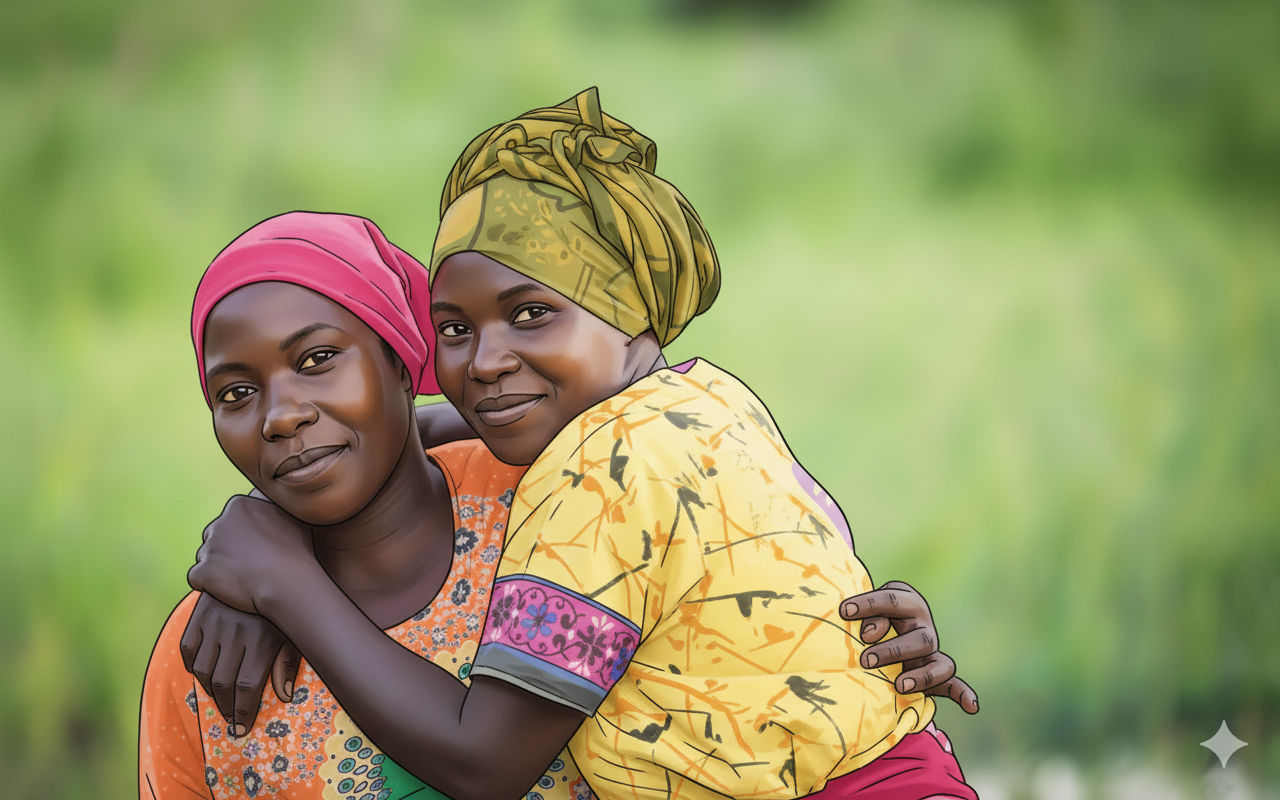

For many women, land is more than just a resource. It represents stability, dignity, and the ability to provide for themselves and their families. Yet across many communities, women continue to face significant barriers in accessing and controlling land and property. Cultural norms, lack of awareness, and gaps in legal processes often prevent women from claiming what is rightfully theirs.
Widows and single mothers are among the most affected. Many face disinheritance, forced eviction, or denial of access to family land. These experiences not only affect their economic stability but also expose them to further vulnerability and injustice.
Through sustained community engagement and legal awareness initiatives, this narrative is beginning to change. Women are learning about their rights under the law, including inheritance processes and the importance of legal documentation. With support from trained paralegals and community structures, they are gaining the confidence to pursue justice and protect their property.
At the same time, communities are being engaged to rethink harmful practices that have long denied women their rights. Advocacy campaigns are opening up dialogue around widow protection, fairness, and equality. Local leaders and institutions are also being called upon to uphold the law and support women in accessing justice.
As more women secure their land and property rights, the impact goes beyond the individual. Families become more stable, children benefit from improved security, and communities begin to experience more inclusive development. When women have control over resources, they are better positioned to shape their futures and contribute meaningfully to society.